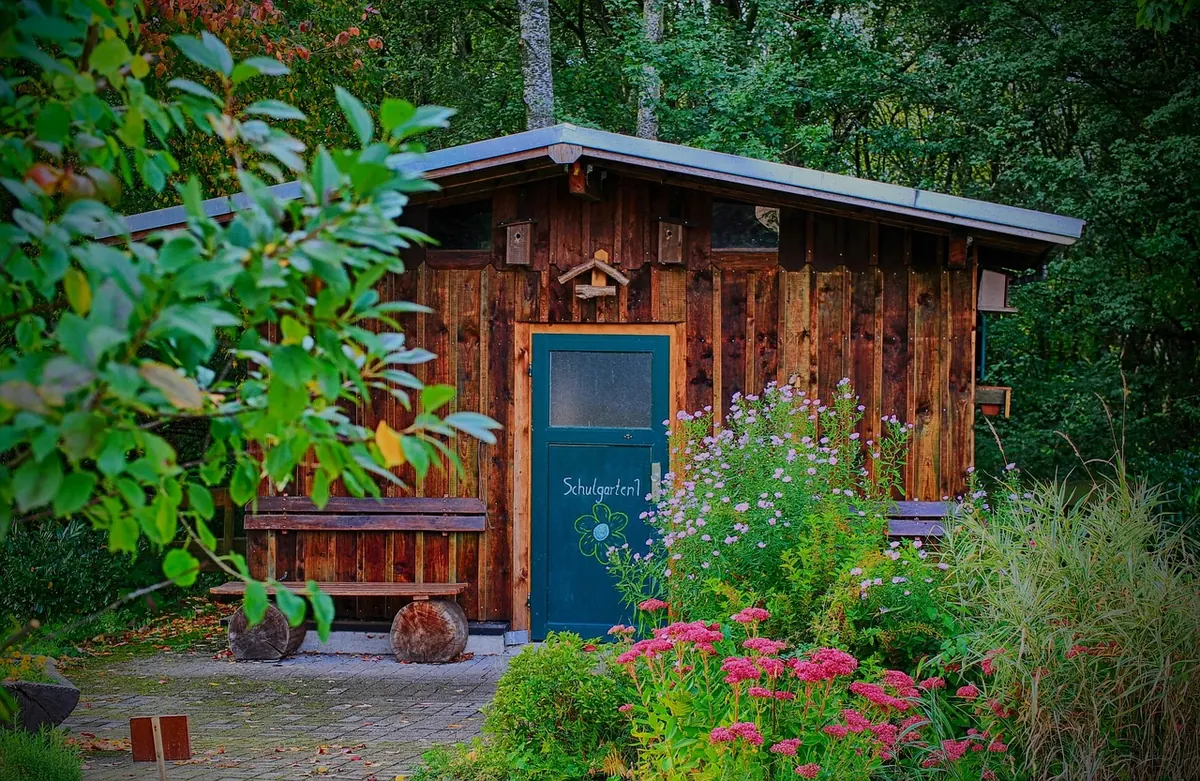
Cumbria does winter on its own terms. A garden on the sheltered coast can sail through a frost that finishes the same plants in a hollow near Ambleside, and a plot on high ground can lose more to a week of horizontal rain than to any amount of cold. The usual advice — fleece everything, water nothing, wait for spring — does not quite fit a county where the ground can be saturated in November and frozen solid in February. What follows is a working checklist, roughly in the order the jobs matter.
Water First, Then Cold
Wet roots kill more plants in Cumbria than frost does. Cold, sodden soil starves roots of oxygen, and the rot that follows is slow, quiet and hard to reverse. A hard frost on well-drained ground is survivable; a waterlogged crown in a mild December often is not.
Start by noticing where water sits after heavy rain. The corner that stays glossy for two days after everywhere else has drained is the corner to fix. Fork it over to open the surface, without turning it into a fine tilth you will only have to redo. If the water persists, dig a shallow channel along the lowest edge of the border and lead it somewhere useful, or into a gravel-filled trench. On heavy clay, mound planting works well: set the plant slightly proud of the surrounding soil so the crown sits above the water table, then draw soil up around it in spring.
Hold fire on mulching soggy ground. A thick layer of bark over saturated soil keeps the water in and the air out. Wait for a dry spell in late winter, then mulch generously.
Pots and Containers
Container plants are the most vulnerable things in the garden, and the reason is nearly always the same: the compost stays wet and the roots freeze inside it. There are a few cheap fixes.
- Get pots off the ground. Pot feet, bricks or a couple of slates keep the drainage hole clear and stop roots freezing into the patio.
- Group them. A tight cluster against a house wall holds more warmth than the same pots scattered about, and the wall radiates heat back overnight.
- Wrap the pot, not the plant. Bubble wrap or hessian tied around the container to two-thirds of its height stops the compost freezing solid. Leave the top open so light and air reach the foliage.
- Sink small pots. Plunging a pot up to its rim into a spare patch of border insulates the roots better than anything you can buy.
- Take the saucers off. A saucer full of rainwater is a drowning, not a drink.
- Water sparingly. Only in mild spells, and only when the compost is dry an inch down. Most container losses in winter come from kindness rather than neglect.
Terracotta looks lovely and cracks in a hard frost. If a pot matters to you, move it under cover or empty it for the winter.
Tender Plants: The Ones Worth Fussing Over
Work out what genuinely needs help. Hardy shrubs, most alpines and anything native to upland Britain can be left alone. It is the half-hardy plants — tree ferns, dahlias left in the ground, cannas, agapanthus in pots, phormiums, pelargoniums — that repay attention.
Tree ferns want the crown packed with dry straw or bracken and the trunk wrapped in hessian or fleece, tied at the top so rain runs off rather than into the growing point. Dahlias and cannas are safer lifted and stored somewhere cool, dark and frost-free, but if you leave them in, cut the stems back and cap the crown with a generous mound of bark or grit. Agapanthus in pots are happiest moved against a south-facing wall, or into a cold greenhouse.
If you use fleece, use it properly. Two layers with an air gap between beat one tight wrapping, and the fleece should reach the ground so warmth from the soil is trapped underneath. Put it on before dusk and take it off in mild, bright spells. Plants left under fleece for weeks go soft and pale, and suffer more when it comes off. Never wrap wet foliage in plastic; trapped moisture rots faster than cold.
Wind: The Damage You Notice Later
On exposed ground — and much of Cumbria counts as exposed — wind does the winter's real damage. It rocks roots loose, shreds evergreens, snaps branches and dries leaves out at a time of year when the plant cannot replace the moisture.
Check stakes and tree ties now, replacing any that have rubbed or come loose. Tall, whippy shrubs and newly planted trees are better off with a support that allows some movement; rigid staking produces weak trunks. Trim back long rose stems and anything else likely to act as a sail.
For screening, use netting or slatted fencing rather than solid panels. A solid barrier pushes the wind over the top and drops it, with interest, on whatever is behind. Mesh filters the wind and gives you a calmer pocket a few feet back — which is where the tender plants should go. On the coast, salt-laden wind burns evergreen foliage, and a loose fleece screen on the seaward side helps more than any feed or tonic. After a gale, walk the garden and firm back anything the wind has lifted.
A Winter Jobs Checklist
- Clear fallen leaves from crowns, paths and drains, but leave a few piles in quiet corners for wildlife.
- Empty and turn off outdoor taps, and lag exposed pipes.
- Clean, sharpen and oil tools so they are ready when the ground dries.
- Ventilate the greenhouse on mild days to keep damp air moving, and water almost not at all.
- Check stored tubers, bulbs and produce for rot, removing any that have gone soft.
- Keep off wet soil. Standing on it compacts it into something closer to brick.
- Keep feeding the birds; they repay you in spring.
When the Cold Snap Comes
Frost warnings usually give you a day, and that is enough. Move pots under cover or against the house, lay fleece over tender crowns, and make sure nothing is sitting in water. Frozen ground cannot take up water, so do not water before a hard frost — but do water evergreens in pots if a dry, cold spell drags on, ideally mid-morning on a mild day. Do not walk on frozen lawns; the marks last until spring. And resist the urge to knock heavy snow off branches with a stick, which snaps more wood than the snow would have.
A Garden That Comes Through
Most of the work is done before the worst weather arrives. Drain the wet spots, lift and wrap the pots, secure the windbreaks, and leave the hardy plants alone to get on with it. Then spend the dark weeks on the pleasant part: looking at the structure of the garden, planning what to move, ordering seed and noticing which corners let the weather in. A Cumbrian winter tests any garden, but a well-drained, well-sheltered one comes out of it with its bones intact.
Photo: Tobikoz / Pixabay