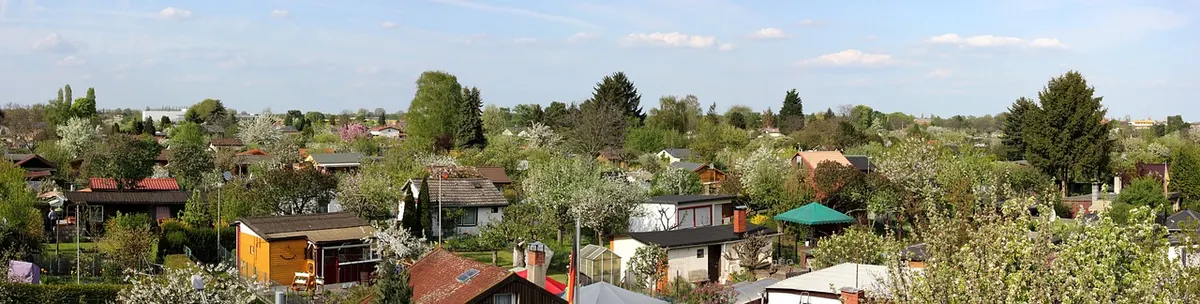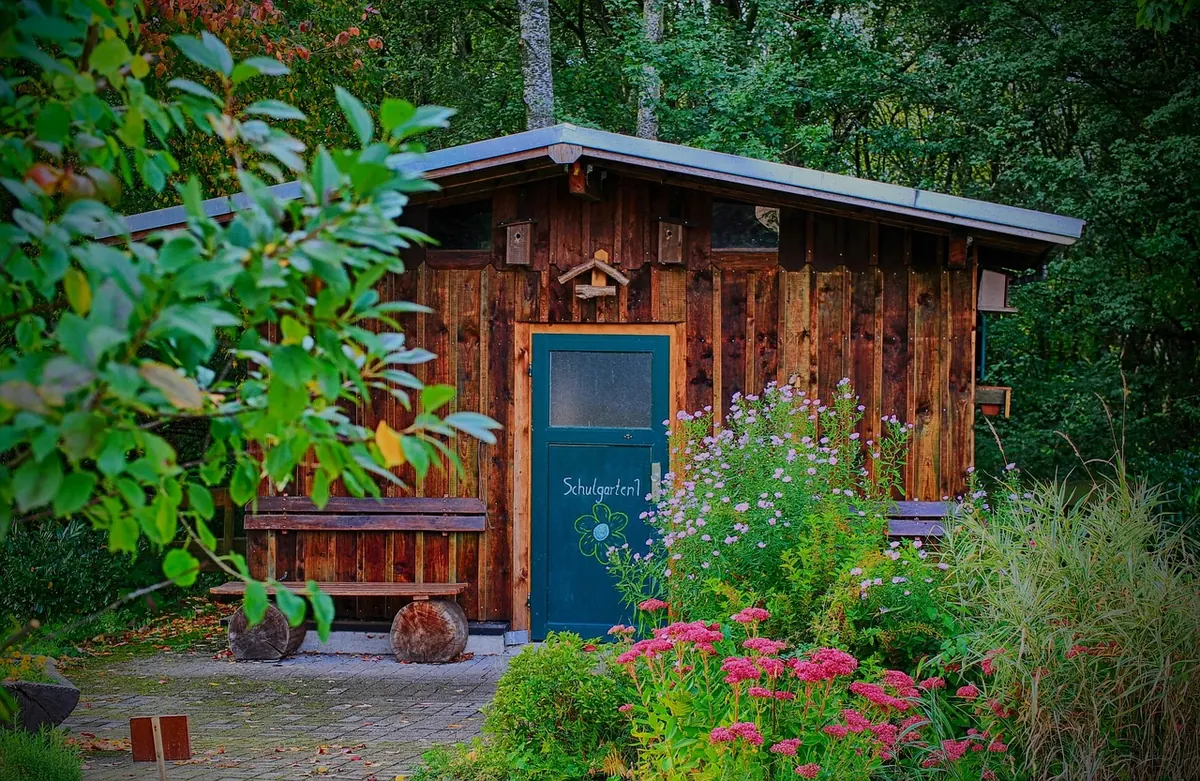
The lane up from the A591 is steep, hedged and thoroughly unpromising. Then the ground opens out and there it is: a garden laid across a south-facing hillside above Windermere, with the lake below and the fells stacked up behind. Holehird is not a grand set piece and it does not pretend to be. It is a working garden, kept going almost entirely by volunteers, and that is precisely what makes it worth the climb.
What Makes Holehird Special
Holehird is the home of the Lakeland Horticultural Society, and every border you walk past has been dug, planted, weeded and propagated by members giving their time. There is no corporate polish here and no attempt to entertain you between the plants. What you get instead is a garden that has been thought about hard by people who actually grow things in Cumbria, in Cumbrian weather.
The setting does half the work. The site sits high enough to catch the light and the long view down the lake, and exposed enough that the wind can strip a border in an afternoon. The soil is acidic, rainfall is generous, and the growing season is short. Rather than fight any of that, the garden leans into it: plants that sulk in dry, alkaline gardens grow here as though they own the place.
What to See: A Walk Through the Garden
The garden is best explored slowly, and the layout rewards a loose loop rather than a strict route. Start high and work down, or the climb at the end will take the shine off the afternoon.
The walled garden
Begin here if the wind is up. Old stone walls give enough shelter for herbaceous planting that would struggle out in the open, along with a glasshouse and the bones of an old kitchen garden. This is also where you will find the volunteer stewards, the plant sales area and the benches positioned, quite deliberately, to face the view.
The rock garden
A proper rock garden, built into the slope with stone and tufa, holding alpines, dwarf bulbs, saxifrages and a fine collection of gentians. Spring brings the first flush, but the autumn gentians are the ones people come back for. If you garden on heavy soil at home, this is the section to study properly.
Heathers and the higher slopes
The upper ground is given over to heathers, dwarf conifers and several National Plant Collections associated with the garden, including daboecia. In late summer this part of Holehird turns colour while the rest of the county is still green, and it looks its best in low, slanting evening light.
Water, woodland and the damp corners
Streams and ponds run through the lower garden, feeding the sort of planting that only works where the air is wet: candelabra primulas in spring, astilbes in high summer, and meconopsis — the Himalayan blue poppy — in early summer. Meconopsis is short-lived and temperamental, and the fact that it thrives here at all is down to volunteers raising fresh plants year after year. Hydrangeas carry the garden into autumn, holding their colour long after most borders have given up.
When to Go: The Seasons at Holehird
There is no bad month, but the garden changes character completely between them. If you only have one visit in you, aim for late June or late September.
- March and April — daffodils, early bulbs, fresh growth and the clearest views before the trees fill out.
- May — rhododendrons, azaleas and magnolias at their peak, with primulas along the water.
- June — meconopsis, roses and candelabra primulas; the garden at its greenest and most generous.
- July and August — astilbes, herbaceous borders and the first hydrangeas. Warm, busy, and worth an early start.
- September and October — hydrangeas, heathers, gentians and autumn colour on the acers and rowans.
- Winter — structure, bark, conifers and lichen, plus the lake view straight through the bare branches. Quiet and free of crowds.
Getting There and Finding Your Way Around
Holehird is signposted off the A591 between Windermere and Ambleside, up the lane towards Troutbeck, and the approach road is narrow. Parking is limited, so arriving before mid-morning on a fine weekend or during school holidays makes a real difference. The house itself is private and not part of the visit; the gardens are what you have come for.
Paths are a mix of gravel, grass and stone, with steps and some genuinely steep gradients. Sturdy shoes are not optional. If you have mobility needs, ask a volunteer on arrival for the gentlest circuit — parts of the upper garden and the walled area are far easier than the rock garden and lower slopes. Do not count on a full café; most visitors head into Windermere, Ambleside or Troutbeck for lunch. Admission has traditionally been free with donations invited, but opening times and arrangements can shift with the seasons, so check before you travel.
How to Make the Most of Your Visit
- Walk the whole garden once before you take any photographs. You will notice far more the second time round.
- Go early. The light on the lake is better, the parking is easier and you may have the rock garden to yourself.
- Carry a waterproof and wear something you do not mind getting muddy. Cumbrian weather changes its mind quickly.
- Talk to the volunteers. They will tell you honestly which plants cope with wet, windy gardens, because they have watched them try.
- Note the names of anything you like. Much of it turns up in the plant sales area, raised from the garden itself.
- Allow two hours minimum, three if you intend to sit on a bench and do nothing at all. That is a legitimate use of the place.
Making a Day of It
Holehird sits neatly between Windermere and Ambleside, so it combines well with other things. Townend, the National Trust house in Troutbeck, is a short drive away and makes a good contrast. Orrest Head above Windermere gives you a walk and a view for modest effort, and Brockhole on the lake shore suits families. A straightforward plan: garden in the morning, lunch in Troutbeck or Ambleside, an easy afternoon walk, then home before the traffic builds.
Before You Go: The Essentials
- Check current opening times and admission arrangements before setting off — they can vary through the year.
- Take a little cash for plant sales and donation boxes.
- Wear grippy footwear with a decent tread; leave the sandals in the car.
- Allow for wind and rain even on a bright forecast, and dress in layers.
- Check the current policy on dogs if you plan to bring one.
- If mobility is a concern, ask for the easiest route rather than guessing from the map.
Holehird does not shout about itself, which is part of its charm and probably part of why it still feels unhurried. Go, take your time, and put something in the donation box on the way out. A garden kept alive by volunteers deserves that much.
Photo: Andy Lee / Pexels